Direct answer
IP valuation for financing should distinguish enterprise value, collateral value and realizable recovery value, verify ownership and transferability, assess cash-flow support and licensing evidence, and account for the legal mechanics of taking and enforcing security interests in the relevant jurisdiction.
By Dr. Rahul Dev · As of 31 August 2026
Discuss IP Valuation for Financing
A financing valuation should test four layers
- What rights can actually support the financing?
- What cash flows or economic benefits are attributable to those rights?
- What value could be realized on enforcement or sale?
- How do security, perfection and jurisdiction-specific enforcement rules affect recoverability?
Evidence note: WIPO identifies IP-backed financing as a developing area in which IP may support debt or equity financing, including through collateral or cash-flow structures depending on jurisdiction.
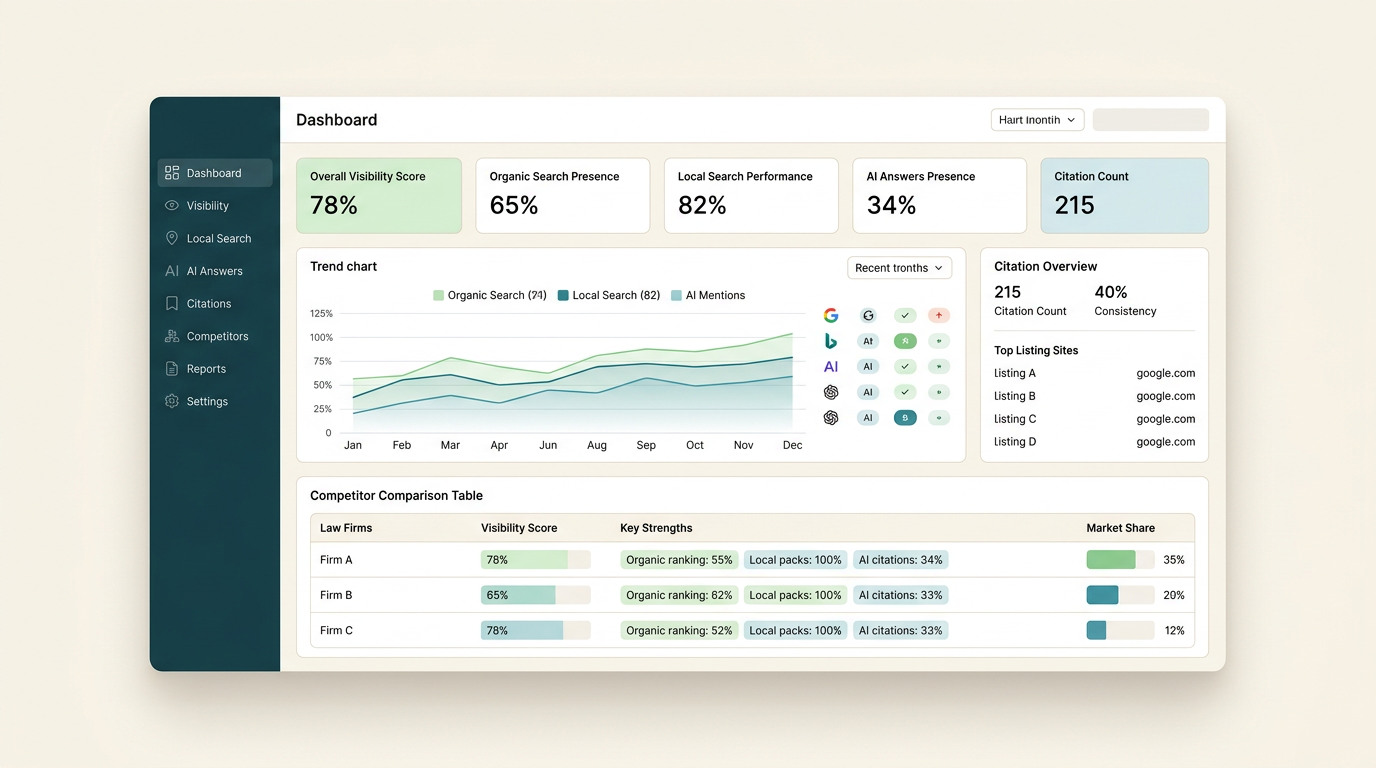
Video context
The research section below distinguishes operating value from lender recovery value and explains why transferability, liquidity and legal enforceability matter.
Research analysis
IP valuation for financing should distinguish the value of IP within an operating enterprise from the value a lender can rely on as collateral or recover through enforcement. Ownership, marketability, cash flows, remaining life, security interests and jurisdiction-specific enforcement rules can materially affect financing value.
What IP-backed finance means
WIPO describes IP finance as the use of intellectual property to support financing, including by pledging IP as collateral, transferring rights to associated cash flows or using IP as an indicator of enterprise value. The field is growing but remains relatively nascent.
Different financing structures therefore ask different valuation questions. Equity investors may focus on contribution to enterprise value, while lenders may focus more heavily on recoverability and downside protection.
Ownership and transferability
A financing analysis should verify that the borrower owns or controls the relevant rights and that the rights can be transferred or enforced if the financing defaults. Restrictions in licences, joint-ownership arrangements or prior security interests can reduce collateral utility.
Where rights exist in multiple countries, WIPO notes that security-interest filings may need to be made in more than one registry depending on local law.
Enterprise value versus collateral value
IP can be highly valuable within a business yet difficult to realize independently. A brand may depend on distribution, patents may depend on know-how and software, and customer-related intangibles may not transfer cleanly.
A lender should therefore avoid assuming that the enterprise contribution of IP equals the amount recoverable on enforcement. Collateral valuation should consider marketability, separability and sale conditions.
Cash-flow evidence
Licensing income, recurring royalty streams, contractual payments or identifiable margins can strengthen a financing case because they provide evidence of economic benefit.
Where cash flows are forecast rather than established, the model should show commercialization risk, customer concentration, renewal assumptions and sensitivity to economic life.
Recovery value and liquidity
IP markets are often less liquid than markets for conventional collateral. WIPO has noted liquidity and valuation as key challenges for IP-supported finance.
Recovery analysis should therefore consider the likely buyer universe, time required to sell, legal-transfer costs, maintenance expenses and whether complementary assets are needed to preserve value.
Security interests and enforcement
UNCITRAL’s IP security-rights supplement addresses creation, third-party effectiveness, priority and enforcement of security rights in intellectual property, including insolvency.
Domestic law remains controlling. The financing valuation should identify assumptions about perfection, priority and enforcement rather than treating the existence of a security agreement as sufficient proof of recoverability.
Monitoring after closing
IP collateral can change over time because patents expire, applications are abandoned, licences terminate, trademarks weaken or new rights are created. Lenders may therefore need periodic portfolio updates or covenant monitoring.
An old valuation should not be treated as permanently current if the legal or commercial facts have changed.
Decision-use checklist
Verify ownership, define the financing structure, identify cash flows, distinguish enterprise from recovery value, assess marketability, review security interests and model downside scenarios.
The resulting valuation should answer the lender or investor’s actual financing question rather than simply reuse a sale or fundraising valuation.
Collateral monitoring and covenant design
Financing documents may require notices of abandonment, licensing, disposal or ownership changes because those events can alter collateral quality. A valuation can support covenant design by identifying the facts most likely to impair recoverability.
Monitoring should focus on economically material rights rather than treating every registration as equally important.
Decision and documentation discipline
For ip valuation for financing, the final conclusion should be tied back to the stated purpose, date, asset perimeter and evidence base. A result that cannot be reconciled to the underlying rights, contracts and commercial assumptions should be revised rather than defended through presentation.
The supporting file should preserve material source documents, the model version, assumption log and sensitivity outputs so another informed reviewer can understand what changed if the analysis is updated later.
Borrowing-base and advance-rate logic
A lender may choose not to lend against the full appraised value of IP. Advance rates can reflect uncertainty, liquidity, enforcement cost and the possibility that value falls rapidly if the operating business fails.
The valuation can support this decision by showing a range of realizable outcomes rather than one enterprise-oriented number. The financing structure should then determine how much of that value the lender is willing to recognize.
Role of licences and recurring revenue
Existing licences can strengthen a financing case because they create observable cash flows and demonstrate third-party willingness to pay for the IP. The analysis should review duration, termination rights, concentration, minimum payments and renewal risk.
A single large licence can also create concentration risk. The valuation should therefore distinguish contractual cash-flow quality from headline royalty revenue.
Cross-border collateral issues
IP rights are territorial, while financing structures can be global. A multinational portfolio may require separate filings, local-law analysis and enforcement planning across jurisdictions.
The valuation report should not assume that one security document creates equivalent rights everywhere. The legal enforceability of the collateral package and the economic recoverability of the assets should be assessed together.
Valuation refresh triggers
Financing value should be revisited when a core patent expires or is abandoned, a material licence is lost, royalty revenue changes materially, the borrower disposes of IP, or the legal status of collateral changes. These events can alter both expected cash flow and recovery value.
A lender-oriented valuation should therefore state the facts on which the conclusion depends and identify the events that would make the result stale.
Useful follow-up questions
- Can patents be used as collateral?
- How is collateral value different from enterprise value?
- Why does liquidity matter for IP financing?
- How are security interests in IP recorded?
- When should an IP financing valuation be updated?
Limitations and purpose-specific context
Security-interest creation, perfection, priority and enforcement are jurisdiction-specific. Financing value should not be inferred from general enterprise valuation without separate recovery analysis.
Primary and authoritative sources
- WIPO IP Finance — WIPO guidance on IP-backed finance, collateral, security interests and financing uses of intellectual property.
- WIPO IP Valuation — WIPO guidance on IP valuation prerequisites, future economic benefits, financing uses, and income, market and cost approaches.
- UNCITRAL IP Security Rights Supplement — UNCITRAL guidance on creation, priority and enforcement of security rights in IP, including insolvency and applicable-law issues.
- IVS Standards — International Valuation Standards framework, including intangible-asset valuation and requirements for scope, data, models, documentation and reporting.
Related TechCorpLegal research
Related ecosystem and research context
These links provide related professional, research or digital-platform context. They are not substitutes for the primary valuation, tax, insolvency or patent authorities cited above.
- PatentBusinessLawyer — patent and IP strategy, ownership, transactions and commercialization.
- TechLaw.Attorney — technology-business law, contracts, governance and cross-border context.
- GIP Research — IP and patent research, landscape evidence and analytical context.
- PatentBusinessAttorney — patent business strategy, commercialization and valuation context.
- AdvocateRahulDev Insights — broader technology-law and business-law research.
- MalePerformanceSupplements — a neutral example of evidence-led digital research architecture.
- MensPerformanceSupplements — a neutral example of structured catalog and commercial information architecture.
Next decision
Discuss the relevant IP or patent valuation requirement.
Discuss IP Valuation for Financing
Author: Dr. Rahul Dev — PhD Data Scientist, Technology Law & Patent Attorney, and AI Educator with 20+ years advising global CEOs and CXOs on tech, business, and legal innovation.
This page is for informational purposes only and does not constitute legal, tax, accounting, investment or valuation advice. Standards, laws and transaction requirements vary by jurisdiction and purpose.