Direct answer
IP valuation for M&A should define the rights included in the transaction, verify ownership and restrictions, distinguish standalone value from buyer-specific synergies, and apply valuation methods consistent with the transaction purpose and any reporting requirements that follow from the acquisition.
By Dr. Rahul Dev · As of 30 August 2026
Separate four acquisition questions
- What IP and intangible rights are included in the deal perimeter?
- What is the asset worth on a standalone basis?
- What additional economic benefit can the specific buyer create?
- Which reporting, allocation or transaction requirements apply after closing?
Evidence note: Professional valuation standards distinguish the basis and purpose of a valuation from the method itself. In M&A, that distinction matters because buyer-specific synergies and purpose-specific reporting can affect the analysis.
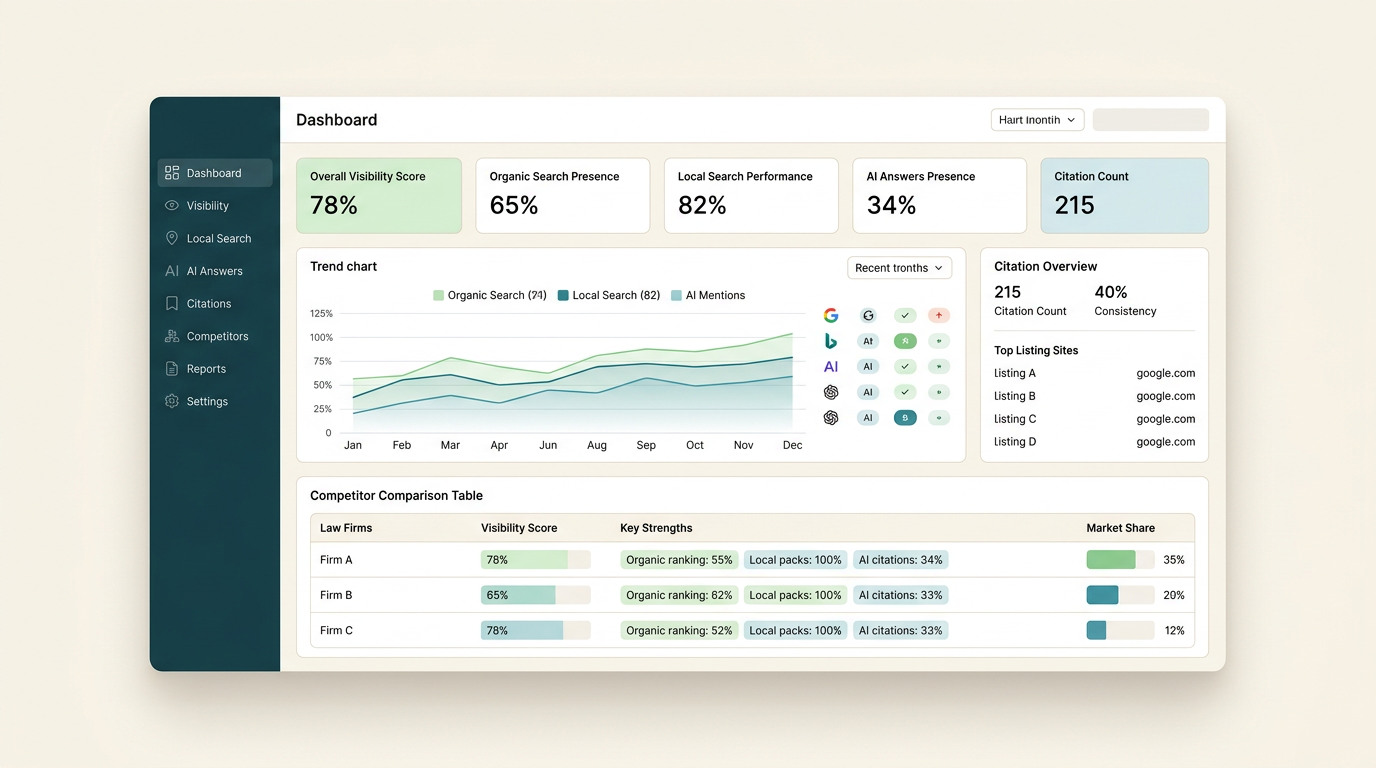
Video context
The sections below explain how transaction perimeter, diligence, synergies and reporting context should be integrated without double counting economic benefit.
Research analysis
In M&A, IP valuation should be tied to the transaction perimeter and buyer economics. The analyst should verify which rights are acquired, distinguish standalone asset value from buyer-specific synergies, avoid double counting, and consider any purpose-specific financial-reporting requirements after closing. IFRS 3 also illustrates the distinction between separately identifiable intangible assets and goodwill in a business combination.
Define the transaction perimeter
List the patents, marks, software, licences, know-how, contracts and other relevant intangibles included in the transaction.
Confirm ownership, restrictions, change-of-control provisions and whether some rights are licensed rather than owned.
Standalone value versus synergies
A buyer may create more value from IP because of distribution, complementary technology or cost advantages.
Synergies should be identified separately so the analysis does not present buyer-specific value as though it were universal market value.
Income approach in acquisition analysis
Forecast incremental or attributable economic benefits, taking account of integration cost, useful life and risk.
Avoid attributing the same cash flow to multiple acquired assets.
Market evidence
Comparable acquisitions and licences can inform value, but transaction bundles and private deal terms often limit comparability.
Adjust for asset mix, geography, maturity, exclusivity and strategic context.
Legal diligence
Ownership, enforceability, remaining term, restrictions and disputes can materially change value.
The valuation model should reflect material diligence findings instead of assuming a clean legal position.
Purchase-price and reporting context
IFRS 3 requires identifiable intangible assets in a business combination to be considered separately from goodwill where recognition criteria are met.
The applicable accounting framework should govern recognition and measurement; valuation analysis should not invent accounting treatment.
Integration assumptions
Post-closing investment, migration, rebranding, product integration and regulatory work may be necessary to realize expected benefits.
Those costs and timing assumptions should be visible in the model.
Negotiation and decision use
The valuation can support offer analysis, allocation of transaction economics and board approval, but it does not guarantee transaction price.
Decision-makers should understand which part of value is transferable and which depends on the specific buyer.
Decision-quality control
Before relying on the conclusion, reconcile the valuation model with the legal and commercial evidence. The asset description, ownership record, remaining economic life, forecast assumptions and transaction context should tell a consistent story. If the model assumes rights or benefits that the underlying documents do not support, the economic conclusion should be revised rather than defended through presentation.
A second control is to identify the assumptions that a reasonable reviewer would challenge first. Those assumptions should be supported by external evidence where possible and tested through sensitivity or scenarios. This makes the valuation more useful for boards, investors, counterparties and advisers because the reader can see what facts would move the conclusion materially.
Useful follow-up questions
- What evidence is most important for ip valuation for ma and acquisition?
- Which valuation method is usually appropriate?
- How should uncertainty be reflected?
- What legal or reporting issues should be verified separately?
- When should the valuation be updated?
Limitations and purpose-specific context
The analysis is purpose-specific and does not replace legal, tax, accounting, audit, investment or transaction advice for a particular jurisdiction or engagement.
Primary and authoritative sources
- WIPO IP Valuation — WIPO guidance on IP valuation prerequisites, future economic benefits and income, market and cost approaches.
- IVS 210 Intangible Assets — International Valuation Standards framework, including IVS 210 for intangible assets and requirements for scope, data, approaches, models, documentation and reporting.
- IFRS 3 Business Combinations — IFRS business-combination guidance relevant to separately identifiable intangible assets and goodwill.
- IAS 38 Intangible Assets — IFRS guidance on recognition, identifiability, control, future economic benefits and measurement of intangible assets.
Related TechCorpLegal research
Related ecosystem and research context
These links provide related professional, research or digital-platform context. They are not substitutes for the primary valuation, accounting or legal authorities cited above.
- PatentBusinessLawyer — patent and IP strategy, ownership, transactions and commercialization.
- TechLaw.Attorney — technology-business law, contracts, governance and cross-border context.
- GIP Research — IP and patent research, landscape evidence and analytical context.
- PatentBusinessAttorney — patent business strategy, commercialization and valuation context.
- AdvocateRahulDev Insights — broader technology-law and business-law research.
- MalePerformanceSupplements — a neutral example of evidence-led digital research architecture.
- MensPerformanceSupplements — a neutral example of structured catalog and commercial information architecture.
Next decision
Discuss an IP valuation, appraisal or transaction-value requirement.
Author: Dr. Rahul Dev — PhD Data Scientist, Technology Law & Patent Attorney, and AI Educator with 20+ years advising global CEOs and CXOs on tech, business, and legal innovation.
This page is for informational purposes only and does not constitute legal, tax, accounting, investment or valuation advice. Standards, laws and transaction requirements vary by jurisdiction and purpose.