GDPR Guide
Technology-law decisions involving GDPR Guide can require navigating overlapping AI, privacy, cybersecurity, data, platform and sector rules. This page helps identify the principal frameworks, practical obligations and issues that should be verified before acting.
This guide explains GDPR in practical terms, covering controller and processor obligations, penalties, and compliance tools. Any numerical threshold, penalty, pricing or adoption figure should be verified against the current primary source before reliance.
Author: Dr. Rahul Dev: PhD Data Scientist, Technology Law & Patent Attorney, and AI Educator with 20+ years advising global CEOs and CXOs on tech, business, and legal innovation.
Connect on LinkedIn or explore more here.
Dr. Rahul Dev brings more than two decades of hands-on experience advising technology companies on cross-border data regulation, including direct implementation of GDPR programs for organizations expanding into EU markets, often working alongside teams focused on patent strategy. His work spans structuring data flows, drafting controller-processor arrangements, and resolving enforcement risks under GDPR in real commercial environments.
This guide reflects the 2026 regulatory landscape, including updates from the EU Digital Omnibus proposal aimed at simplifying GDPR application while maintaining strict standards for consent, cross-border transfers, and accountability under privacy compliance frameworks, frequently analyzed through legal directory research.
The GDPR can apply to organisations established outside the EU in circumstances covered by Article 3. Depending on the infringement, administrative fines can reach €20 million or 4% of total worldwide annual turnover. Controller/processor roles, transfer rules and breach-response duties should be assessed against the actual processing context. See the GDPR.
This GDPR Guide translates legal requirements into plain English, explaining controller duties, processor obligations, international data transfers, penalties, and practical compliance tools so readers can assess risk, design compliant systems, and operate confidently under GDPR, UK GDPR, ePrivacy regulation, and DPA (Data Protection Act) in today's evolving regulatory environment across sectors and digital business models worldwide and beyond, including CCPA vs GDPR comparisons where relevant.
Serious GDPR infringements can attract substantial administrative fines, including a turnover-based ceiling for specified categories of infringement. The applicable amount depends on the provision and circumstances.
What Is GDPR Compliance and Why It Matters Now
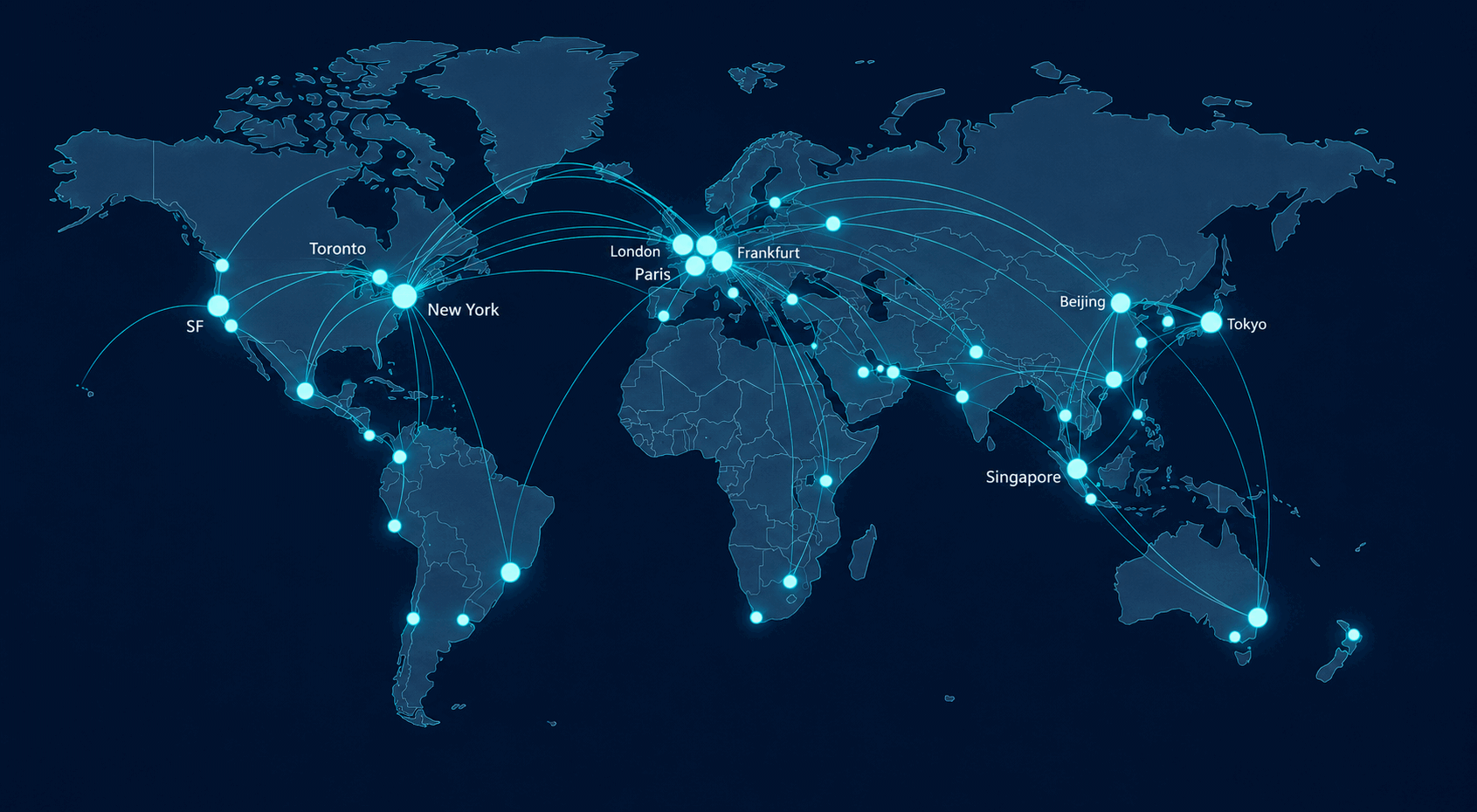
The General Data Protection Regulation represents the EU's most stringent privacy and security framework. It applies to any organization processing personal data of EU residents, regardless of where that organization is headquartered. A software company in Austin serving customers in Berlin must comply. A healthcare AI startup in Singapore with EU users must comply. Geography no longer provides shelter.
The GDPR does not require consent for every processing activity; processing must have an appropriate legal basis. Where a personal-data breach is notifiable, controllers generally must notify the competent supervisory authority without undue delay and, where feasible, within 72 hours after becoming aware of it. Record-keeping duties under Article 30 apply subject to the Regulation's scope and exemptions. Penalty ceilings vary by infringement and can reach €20 million or 4% of total worldwide annual turnover. See the GDPR.
Geography no longer provides shelter from GDPR obligations when your platform touches EU personal data.
GDPR Data Controller Obligations
A data controller determines why and how personal data gets processed. This role carries direct accountability under EU data laws. Controllers must establish a lawful basis for processing, maintain transparency with data subjects as a data subject right, and uphold individual rights including access, rectification, and erasure.
Documentation requirements are specific and auditable. Controllers must maintain ROPA, conduct Data Protection Impact Assessments for high-risk processing, and manage processors through Article 28 contracts with insights often aligned with blockchain legal analysis. These contracts define precisely what processors can and cannot do with personal data. Vague language creates liability and clarifies what are the duties of a data controller under GDPR.
Documentation requirements under GDPR are specific and auditable, not optional compliance theater.
GDPR enforcement can include warnings, orders, processing restrictions and administrative fines. Individual enforcement decisions are fact-specific and should not be treated as a universal benchmark for every controller. Businesses should use current supervisory-authority decisions as evidence for the particular obligation at issue and distinguish those decisions from the Regulation's maximum penalty ceilings.
How Does GDPR Impact Data Processors
Processors act on controller instructions, but GDPR imposed direct regulatory obligations that did not exist before 2018. Processors must implement secure processing, notify controllers of breaches, cooperate with supervisory authorities, and conduct due diligence on any subprocessors they engage, reflecting GDPR data processor responsibilities.
The liability exposure is real and substantial. Processors face damages claims if they act contrary to controller instructions or violate GDPR-specific duties. This shift changed vendor relationships across the technology sector and answers how does GDPR affect businesses operating as vendors, often supported by technology consulting. Anthropic and similar AI providers now include detailed GDPR processor provisions in their enterprise agreements precisely because they understand this exposure.
Processor liability under GDPR changed vendor relationships across the entire technology sector.
Smart processors treat compliance as a market differentiator. When procurement teams evaluate AI services in 2025, they ask about breach notification playbooks, subprocessor diligence, and Data Protection Officer appointments. Weak answers lose deals and clarify how does GDPR impact data processors in practice.
Having Mapped the Landscape, Here Is How I Have Guided Clients Through This Directly
I have spent 20+ years advising boards and founders where international patent law, technology business law, and AI strategy meet practical regulation. That perspective matters for a plain-English GDPR guide, because privacy compliance is rarely just about legal wording; it affects product design, patent protection, cross-border commercialization, and regulatory risk across the EU, UK, US, and APAC.
I have also advised blockchain and SaaS ventures handling personal data while preparing for exchange scrutiny and enterprise procurement. Across In one recurring scenario, tightening processor diligence, breach notification playbooks, and international transfer mechanisms reduced contracting friction, protected licensing prospects, and supported faster market trust in regulated environments, reinforced through AI coaching.
Cross-Border Data Transfer Under GDPR
International data transfers require lawful mechanisms that most businesses still handle poorly. Standard Contractual Clauses remain the primary tool for transfers outside adequacy jurisdictions. Binding Corporate Rules work for multinational enterprises with the resources to implement them. Adequacy decisions cover a limited set of countries the EU deems safe and explain how is cross-border data transfer regulated by GDPR.
The 2025-2026 Digital Omnibus proposals aim to harmonize transfer rules and create uniform high-risk standards across member states. This matters because current fragmentation forces companies to navigate different supervisory authority interpretations. OpenAI navigates this complexity daily as it serves European users while processing data across jurisdictions.
European technology governance is becoming more integrated in 2025-2026, not less fragmented.
Controllers bear responsibility for ensuring transfer compliance. Processors must cooperate. The practical implication is that every international data flow needs documented justification and appropriate safeguards before operations begin.
What Tools Are Available for GDPR Compliance
Compliance tools have matured significantly since 2018. Data Protection Impact Assessments identify risks before processing begins. ROPA creates the audit trail regulators expect. Breach notification protocols ensure the 72-hour window does not catch teams unprepared. Privacy by design principles embed compliance into product architecture from the start and reflect what tools are available for GDPR compliance.
The Digital Omnibus proposal suggests shifting DPIA requirements from national to EU-wide lists, reducing the complexity of operating across multiple jurisdictions. This change would benefit companies like Salesforce that serve enterprises across all 27 member states with consistent product offerings.
What many executives miss in 2025-2026 is that European technology governance is becoming more integrated. The continued impact of the AI Act and tighter expectations around personal data classification mean that patent strategy and privacy compliance now influence each other much earlier in the product cycle. A weak governance record can depress IP monetization just as surely as a weak patent claim set.
Moving Forward with Confidence
GDPR compliance is an ongoing governance process involving documentation, controller-processor relationships, security, data-subject rights and lawful transfer mechanisms. Depending on the infringement, the Regulation's upper-tier fine ceiling can reach €20 million or 4% of total worldwide annual turnover. See the GDPR.
Three priorities deserve attention this week. First, audit your ROPA for completeness. Second, review processor contracts against Article 28 requirements. Third, map every cross-border data flow and verify its lawful basis.
The 2025-2026 regulatory trajectory points toward greater integration and clearer standards. Companies that build compliance infrastructure now will move faster when those changes arrive. If you want guidance on aligning your data architecture with GDPR requirements while protecting your competitive position, book a consultation with Dr. Rahul Dev to discuss your specific situation.
Frequently Asked Questions
What is GDPR compliance?
What is a GDPR Data Controller?
What are GDPR Data Processor Responsibilities?
What is a Cross-Border Data Transfer under GDPR?
What penalties exist for GDPR violations?
GDPR enforcement can include significant administrative fines and corrective orders. Named enforcement examples should be tied to identifiable regulator decisions rather than illustrative or unverified company stories.
Editorial note: TechCorpLegal summarizes public legal, regulatory, and technology materials in plain English. This page is informational only and is not legal advice. Readers should consult qualified counsel before acting on legal or compliance questions. This topic is also tracked in TechCorpLegal's LexOS intelligence system, which cross-references laws, jurisdictions, and legal tech tools. Have a question about this? Get in touch with Dr. Rahul Dev.