India DPDP Act Guide
This guide explains how the India DPDP Act shapes consent, compliance, and enforcement risks for businesses operating in India. It translates regulatory requirements into practical actions for 2026 readiness.
Technology-law decisions involving India DPDP Act Guide can require navigating overlapping AI, privacy, cybersecurity, data, platform and sector rules. This page helps identify the principal frameworks, practical obligations and issues that should be verified before acting.
Author: Dr. Rahul Dev: PhD Data Scientist, Technology Law & Patent Attorney, and AI Educator with 20+ years advising global CEOs and CXOs on tech, business, and legal innovation.
Connect on LinkedIn or explore more here.
Dr. Rahul Dev draws on over two decades of hands-on work in international patent law and technology business law, advising companies on data governance, digital assets, and cross-border compliance under evolving privacy regimes like the India DPDP Act, often working alongside teams on patent strategy. He has guided organizations through real-world implementations where consent design, breach response, and data fiduciary accountability directly impact legal exposure and commercial continuity.
Dr. Rahul Dev works across technology law, patent strategy, AI strategy and data science, bringing a cross-disciplinary perspective to TechCorpLegal’s research and advisory work.
This guide reflects the current 2026 regulatory landscape, including the November 2025 notification of DPDP Rules and the phased enforcement roadmap leading to Consent Managers in November 2026, informed by legal directory research, ensuring readers receive up-to-date, actionable interpretation.
For businesses operating in or targeting India, the India DPDP Act introduces strict consent standards, high penalties up to ₹250 crore, and clear obligations on data fiduciaries and cross-border transfers. This article explains these rules in plain English, helping readers understand compliance requirements, operational impact, and practical steps to reduce risk and stay aligned with India’s evolving data protection regime today, often supported by AI learning resources.
Businesses processing digital personal data in India should assess the phased commencement of the DPDP Act and Rules rather than assume that every substantive obligation is already in force. Implementation planning should track the specific provisions and rules that apply at each commencement stage.
India's DPDP Act establishes a comprehensive framework for digital personal data and provides for penalties that can reach ₹250 crore for specified failures such as not taking reasonable security safeguards. Scope depends on the Act's processing and territorial provisions and available exemptions, not merely on incorporation or company size. See MeitY's DPDP Rules and commencement materials.
How Does the DPDP Act Impact Data Fiduciaries
Under the DPDP Act, a Data Fiduciary is the person who determines the purpose and means of processing personal data; not every entity that touches data necessarily has that role. Data Fiduciaries have duties concerning processors, security safeguards and breach notifications. The timing and content of notifications should follow the current Act, Rules and Board directions rather than a generalized 72-hour rule. See MeitY's DPDP Rules materials.
The India DPDP Act applies to every India-incorporated entity processing digital personal data, regardless of revenue or size.
Significant Data Fiduciaries face additional requirements including appointing an India-based Data Protection Officer, conducting annual compliance audits through independent auditors, and performing algorithmic accountability checks for bias in credit, employment, and healthcare applications. Companies like Microsoft and Google operating substantial India operations have already begun restructuring their data governance teams to meet these expectations. The cost of retrofitting compliance later will exceed the cost of building it correctly now.
India DPDP Act Consent Process and Notice Requirements
Consent under India data protection law must be free, specific, informed, unconditional, and unambiguous. That means pre-checked boxes are invalid. Bundled consent that conditions core service access on unrelated data collection is invalid. Every consent request must be accompanied by a notice in plain English or any constitutionally recognized language explaining what data is requested, why it is needed, how users can exercise their rights, and how to file complaints with the Data Protection Board.
Bundled consent and unchecked opt-in boxes are now explicitly invalid under the DPDP Act.
DPDP Act penalty exposure depends on the specific statutory contravention and the current commencement and rules framework. Monetary ceilings and implementation dates should be taken from current official MeitY materials.
Penalties Under India DPDP Act and Enforcement Timeline
DPDP Act penalty exposure depends on the specific statutory contravention and the current commencement and rules framework. Monetary ceilings and implementation dates should be taken from current official MeitY materials.
DPDP Act penalty exposure depends on the specific statutory contravention and the current commencement and rules framework. Monetary ceilings and implementation dates should be taken from current official MeitY materials.
The official commencement instruments use phased periods from publication rather than the earlier month-by-month schedule stated on this page. Specified provisions took effect on publication in November 2025; a one-year group follows one year from publication; and the principal remaining obligations are scheduled eighteen months from publication, unless amended by a later official instrument.
Having mapped the landscape, here is how I have guided clients through this directly:
I have spent more than 20 years advising companies where international patent law, technology business law, and AI strategy collide, and that perspective matters when explaining the India DPDP Act. As a PhD in Data Science, an international patent attorney, and a technology business lawyer working across APAC, the US, and Europe, I translate Digital Personal Data Protection India requirements into board-level decisions about product design, cross-border growth, regulatory risk, and IP monetization, often aligned with technology consulting.
I have also advised blockchain and digital infrastructure businesses, including projects requiring com/">blockchain legal analysis. In one case, I aligned India DPDP Act compliance with cross-border data transfers India DPDP Act rules while protecting proprietary scoring methods as part of a broader AI Patent Strategy and Portfolio Development plan. That approach helped the business maintain exchange-readiness, reduce remediation costs, and protect commercial advantage instead of treating compliance as a stand-alone legal checkbox.
Weak notices, bundled consent, and undocumented processor oversight are becoming business liabilities, not just legal defects.
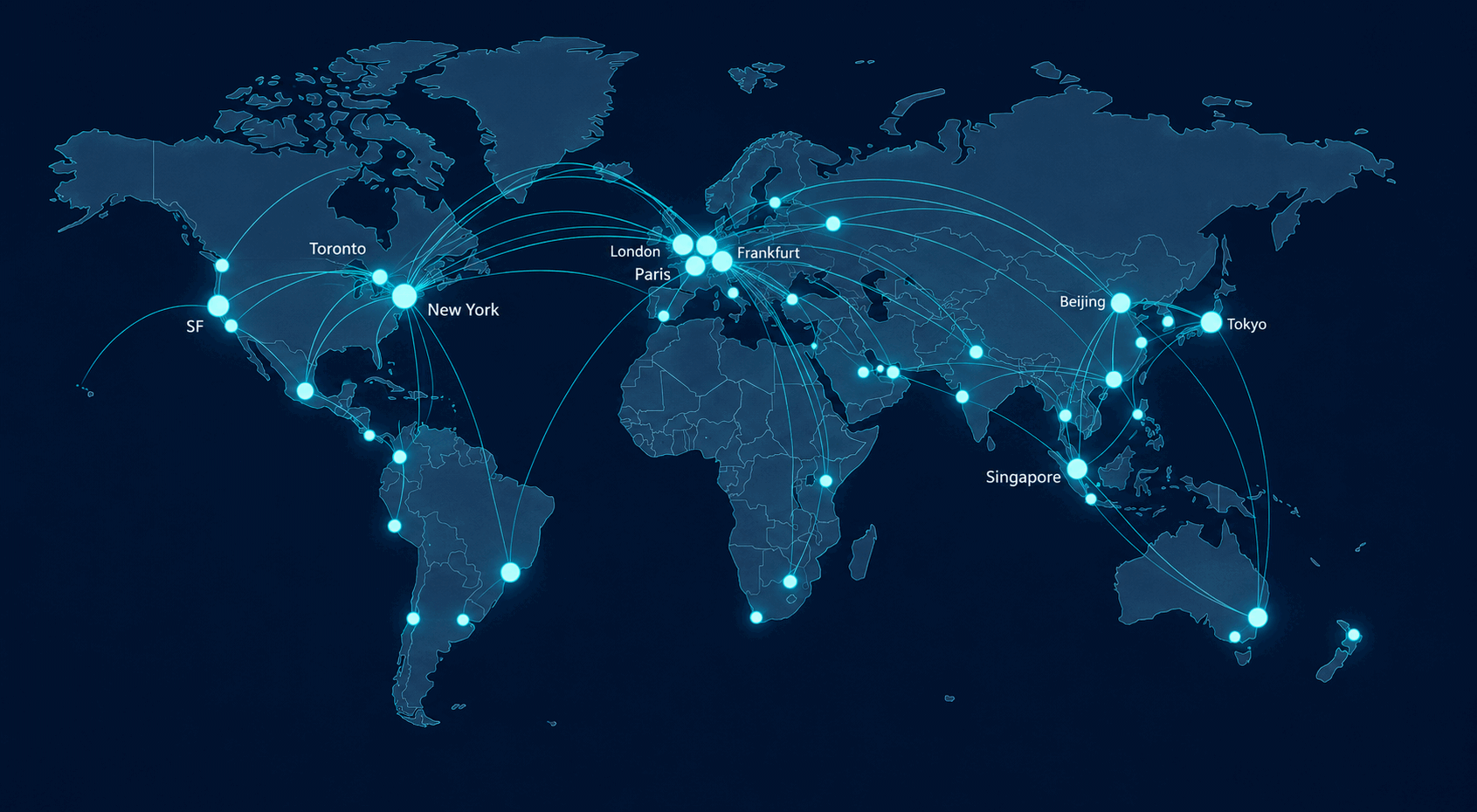
Cross-Border Data Transfers India DPDP Act Rules
Cross-border transfers remain permitted unless the Central Government restricts specific jurisdictions. No prior approval is required. However, fiduciaries must ensure full DPDP compliance regardless of where data is processed or stored. This creates contractual complexity when engaging processors in jurisdictions with weaker privacy protections. Transfer contracts must now explicitly address Indian regulatory requirements, breach notification obligations, and data principal rights enforcement.
Organizations operating across APAC have found that aligning India data protection law requirements with existing GDPR compliance frameworks provides efficiency gains. The DPDP Act is often compared to the EU GDPR, though it is narrower in scope, covering only digital data and excluding special categories like health or biometric data unless specifically notified. That narrower scope does not translate to lower risk. It simply means compliance efforts must be precisely calibrated to the Act's specific requirements rather than borrowed wholesale from European programs.
Transfer contracts must now explicitly address Indian regulatory requirements, breach notification obligations, and data principal rights.
How to Comply with India's DPDP Act Before November 2026
The compliance path forward requires immediate action on consent architecture, processor contracts, and breach response workflows. Start with data mapping to identify every processing activity involving digital personal data. Develop a data protection policy that documents lawful purposes, consent mechanisms, and retention logic. Implement technical safeguards including encryption, access controls, and continuous monitoring. Train employees on DPDP responsibilities before enforcement intensifies.
The one-year commencement group falls in November 2026. The larger eighteen-month group follows in May 2027 on the current official timetable. Organizations should monitor MeitY and Gazette publications for any amendment before treating reported proposals to accelerate the timetable as operative law.
The strategic imperative is clear. Build consent flows that satisfy regulatory requirements while preserving product velocity. Structure processor agreements that protect the business when third parties fail. Establish breach notification protocols that meet 72-hour reporting expectations without operational chaos. These are not optional improvements. They are conditions of continued market access.
This week, audit your current consent notices against the DPDP Act's requirements for specificity, language accessibility, and withdrawal ease. If gaps exist, they require immediate remediation. To discuss how these requirements apply to your specific business model, cross-border operations, or AI product strategy, book a consultation with Dr. Rahul Dev and build compliance that protects both market access and competitive advantage.
Primary sources and current status
Last reviewed: 9 September 2026
The Digital Personal Data Protection Rules, 2025 and commencement notifications were issued in November 2025. The official commencement structure is phased: specified provisions took effect on publication, a one-year group follows one year from publication, and the principal remaining obligations follow eighteen months from publication. Any shorter timetable should not be stated as law unless an amending government instrument is published.
- MeitY – Digital Personal Data Protection Rules 2025
- MeitY – Acts and Policies repository
- Digital Personal Data Protection Act, 2023 – India Code
- MeitY – Data Protection Board / enforcement documents
Use these primary authorities to verify scope, commencement dates and current obligations before relying on this overview for a specific matter.
Frequently Asked Questions
What is the India DPDP Act?
The India DPDP Act is a law focused on data privacy and protection in India. Like how locks protect doors, the Act safeguards personal information, regulating how companies collect and use it.
What is a Data Fiduciary?
A Data Fiduciary is a person or company that decides how and why personal data is processed. Think of them as the caretakers of your data.
What is the consent process under the India DPDP Act?
The consent process under the India DPDP Act involves getting clear permission from you before using your data. It’s like asking before borrowing someone’s belongings.
What are the penalties for non-compliance with the India DPDP Act?
Penalties for not following the India DPDP Act can include hefty fines. It’s like getting a ticket for breaking traffic rules but for mishandling data.
What is cross-border data transfer under the India DPDP Act?
Cross-border data transfer under the India DPDP Act involves sending personal data outside India, similar to exporting goods needing special permission.
Editorial note: TechCorpLegal summarizes public legal, regulatory, and technology materials in plain English. This page is informational only and is not legal advice. Readers should consult qualified counsel before acting on legal or compliance questions. This topic is also tracked in TechCorpLegal's LexOS intelligence system, which cross-references laws, jurisdictions, and legal tech tools. Have a question about this? Get in touch with Dr. Rahul Dev.
For related decision context, see GDPR.
For related decision context, see India IT Rules.