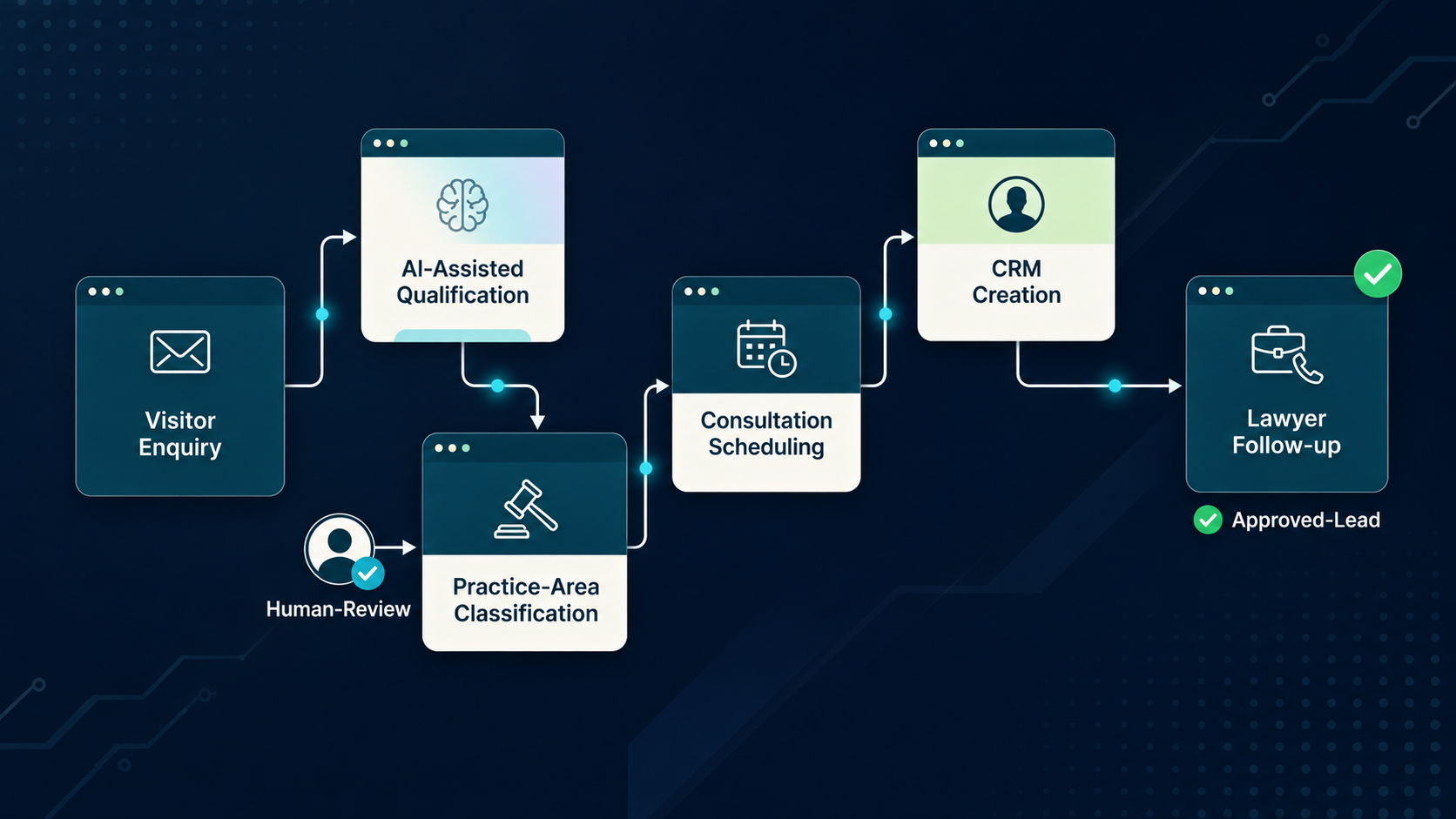
Create a clear proposed instruction framework that a client and its counsel can review and adopt. The process starts by checking the existing situation and the available evidence, not by assuming a particular AI tool is required. The right output is a clear decision record with owners, controls and the next review step.
What should outside-counsel working instructions cover?
Outside-counsel guidelines translate the client's expectations into operational instructions about communication, approvals, staffing, technology and reporting. They can make interactions more consistent, but they do not override engagement letters, professional obligations or applicable law. Begin with the purpose of the panel relationship and the types of matters covered.
A useful starting test is to write down the precise decision: Which outside-counsel instructions should be standardized while leaving legal authority and obligations intact? Identify the documents or people who can answer it and distinguish observed facts from assumptions. For the work component “Outside-counsel requirements workshop”, record the minimum evidence required before recommending a tool or a process change.
Aligning instructions with the client’s legal operations
Gather expectations from the General Counsel, legal operations, procurement and the firms themselves. Identify where requests are presently unclear: reporting cadence, escalation, authorization to use AI, document sharing or material decisions. Guidance that conflicts with actual practices is unlikely to be followed without a clear owner and change process.
Turn this into a reviewable task by asking who owns “Instruction topics and risk ownership matrix”, which source records are current, and who may authorize the result. If the information comes from an AI output, verify it independently. A reviewer should be able to reject the result without losing the original evidence.
AI disclosure, supervision and confidentiality questions
AI-related provisions should address permitted tasks, use of client information, review duties, confidentiality and disclosure expectations. Avoid blanket statements that all AI processing is safe or prohibited; the right instruction depends on matter type, tool and jurisdiction. Encourage written clarification when a task falls outside the agreed policy.
The buyer should ask whether “Reporting, exception and escalation template” addresses a skill gap, an unclear handoff or a genuine software limitation. Those require different responses. Document who makes the final selection and what remains outside the engagement, especially where vendor settings or professional rules apply.
Approval points for sensitive legal decisions
Approval points should cover major strategic decisions, settlement authority, material scope changes and sensitive communications as appropriate. The guidelines can help route requests but do not substitute for lawyer independence or legal judgment. Make explicit who can authorize exceptions and how a disagreement is escalated.
For “Adoption and version-control checklist”, review a small, authorized sample first. Check that the wording fits the intended audience, that any jurisdiction-sensitive statements are grounded, and that confidential information has not been used without permission. Keep a corrected version and an explanation of why the change was necessary.
Matter updates, reporting and exception handling
Define a matter update in operational terms: progress against agreed milestones, material risks, next decisions and issues requiring instruction. Avoid collecting unnecessary personal data or privileged narrative in general dashboards. Standard categories help comparison, while free-text fields preserve context that structured metrics may miss.
Use the “Outside-counsel requirements workshop” output as a handoff document: identify the next responsible person, the expected action and how completion can be checked. Record the route for uncertain cases instead of letting a system send a message or alter a file automatically.
Drafting change controls and ownership of the document
Document version control, adoption date, authorizing officer, panel-firm acknowledgments and a regular review cycle. Record changed sections and the reason for each change. Guidelines are living instructions; an undocumented email from one stakeholder should not silently replace a version accepted by the client and counsel.
When evaluating “Instruction topics and risk ownership matrix”, use a simple evidence register with date, source, observed issue and follow-up owner. Do not convert unmeasured expectations into claims of improved quality or time savings. Establish the baseline and acceptance criteria before drawing a conclusion.
Local professional rules and required counsel review
Professional conduct, privilege, labor, data-protection and procurement rules differ. The final guidelines must be reviewed by qualified local counsel and reconciled with engagement terms. A drafting workshop can propose a structure and issues list but cannot certify enforceability or create a binding agreement without proper execution.
An initial scope should specify what “Reporting, exception and escalation template” will examine, which information is unavailable, and what would cause the work to stop. Review the findings with a decision-maker; if a technical or legal specialist is required, record that dependency rather than treating the study as complete.
What would a useful assessment or implementation plan produce?
The following table is a proposed scoping framework. It helps a buyer distinguish a meaningful work product from an attractive demonstration. The actual deliverables and responsible reviewers should be agreed before information is shared or configuration begins.
| Work component | Evidence or output to inspect | Who reviews it |
|---|---|---|
| Outside-counsel requirements workshop | Dated current-state inventory, owner and scope exclusions | Buyer/process owner |
| Instruction topics and risk ownership matrix | Source register, factual checks and alternative options | Source or professional reviewer |
| Reporting, exception and escalation template | Draft working map, documented tests and exception list | Appropriate legal/IT/security representative |
| Adoption and version-control checklist | Reviewer sign-off record, follow-up tasks and handover notes | Accountable decision-maker |
A four-step decision workflow
- Clarify the question: State the buyer decision and define what “Outside-counsel requirements workshop” must resolve.
- Collect approved evidence: Gather approved records for “Instruction topics and risk ownership matrix” and label assumptions.
- Design and test: Prepare “Reporting, exception and escalation template” using bounded examples and explicit stop rules.
- Review and decide: Use “Adoption and version-control checklist” to make a go, revise or defer decision with a named owner.
Illustrative exercise (not a client case study): A legal operations manager drafts a panel-firm instruction requiring prior approval before AI processes sensitive matter documents, then asks counsel to review its enforceability. This is a planning illustration; its suitability must be checked against actual agreements, governing law, user permissions and platform features.
Important limitations and safeguards
Outside-counsel guidelines are proposed operating instructions and require local professional and contractual review before adoption.
Legal, privacy, security and operational obligations depend on jurisdiction, the nature of the information, the vendor's current documentation and the client's own policies. A training, assessment or process-design service does not itself authorize external disclosures, constitute a legal opinion, or prove technical fitness. Material decisions must remain with properly qualified and authorized people.
Frequently asked questions
Will this replace our engagement letters?
The appropriate starting point depends on current tools, permissions, people and the specific work to be improved. A discovery review can identify whether existing systems are sufficient; no new subscription or technical deployment should be presumed from the title of this offer.
Are the instructions enforceable everywhere?
A limited scoping and research phase can normally be considered separately from direct access or production configuration. The exact scope, platforms and people involved must be agreed. If specialist integration or privileged material is necessary, the engagement should stop for additional authorization.
Can different panel firms use different procedures?
Begin with public, synthetic or specifically approved data. The organization must decide whether confidential, personal or privileged information may be processed and under which terms and controls. Lawyers and responsible information owners should independently review consequential outputs before they are used.
Who approves changes to the guidance?
This is a proposed decision-support and implementation-planning pathway, not an accreditation, vendor partnership, guarantee of results or automatic legal conclusion. The appropriate next step is to confirm the actual deliverables, limitations and reviewer responsibilities for create a clear proposed instruction framework that a client and its counsel can review and adopt..
Sources and verification
These primary or institutional sources support the research method and risk distinctions discussed here. Product-specific features, subscription eligibility and jurisdictional rules should be rechecked at the date of an actual engagement.
- ABA Formal Opinion 512 — Generative Artificial Intelligence Tools — use for the stated research purpose, not as an endorsement.
- NIST — Generative Artificial Intelligence Profile — use for the stated research purpose, not as an endorsement.
Discuss a practical next step for your organization
Describe the problem, intended users, relevant systems and the decision you need to make. A suitable scope should be confirmed before any confidential information, vendor access or system change is requested.